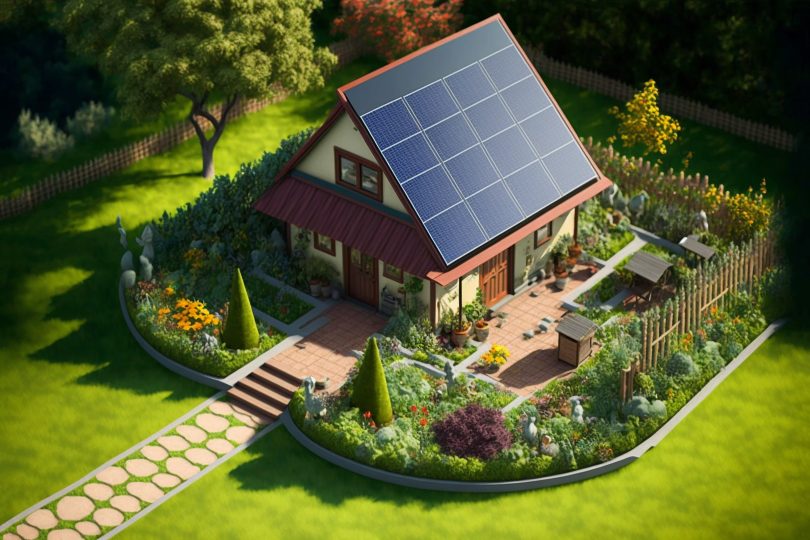
The impact of global warming and the consequences of squandering the earth’s finite resources has touched our lives in one way or the other. With no other recourse than to be mindful of excesses, households are now turning to sustainable living.
Sustainable living is a lifestyle that aims to reduce one’s negative environmental impact and promote the long-term health and well-being of the planet and its inhabitants. It involves making choices that prioritize the use of renewable resources, the reduction of waste and pollution, and the conservation of natural resources for future generations.
Sustainable living can include a wide range of practices, such as reducing energy use from non-renewable sources, harvesting rainwater, using alternative transportation, supporting local and sustainable food systems, and reducing single-use plastics. It’s a way of living that is mindful of the impact of one’s actions on the environment and seeks to create a more sustainable and equitable world.
Why Should Households Switch to Sustainable Living?
When you think about it, switching to sustainable living is simple and inexpensive. For instance, you can elevate your water storage game by harvesting precious rainwater in water tanks. This would conserve and store water, so the run-off isn’t wasted.
Households should switch to sustainable living for several reasons:
- Environmental benefits: Sustainable living helps reduce the negative impact that human activities have on the environment. By reducing energy consumption, conserving water, and reducing waste, households can help preserve natural resources and protect the planet.
- Health benefits: Sustainable living can promote better health by reducing exposure to harmful chemicals and pollutants. Using eco-friendly products and reducing single-use plastics can also help reduce the risk of specific health problems.
- Cost savings: Sustainable living can save money by reducing energy and water bills in every household. For instance, the return on investment (ROI) on solar panels in the home is estimated to be seven years or less for installations that use 20-25 panels.
- Social responsibility: Sustainable living is a responsible and ethical way of living that considers the impact of human activities on other people and future generations.
- Resilience: Sustainable living practices can help households become more self-sufficient and resilient to environmental changes, such as natural disasters or changes in the availability of resources.
Tips For Switching To Sustainable Living In Your Household
It’s not just the ‘tree huggers’ committed to healthy, sustainable living. Consumers recognize the wisdom in exercising prudent choices and minimizing waste.
- Green Power. Switching entirely or partially to solar power in the home uses renewable power that is green and saves money over the lifetime of the solar panels. Surplus energy that is not consumed can even be sold to power companies. Whether you use grid or off-grid systems, solar power is the best non-renewable energy capable of running all household appliances.
- Water. Using water wisely is not limited to repairing leaks, taking shorter showers, and installing water-efficient fixtures. In sustainable households, rainwater can be collected and used for various purposes. This commonplace practice in homesteads is now mainstream in big cities where rainwater is collected in tanks. Wells are also a good source of water. Just make sure that the soil is not contaminated with heavy metals.
- Waste Reduction
- Reduce waste: Recycle, compost, reuse, repair, and rot. Avoid single-use plastics and paper printouts.
- Use sustainable products: Choose products made from sustainable materials and look for eco-friendly certifications.
- Use alternative transportation: Walk, bike, or use public transit instead of driving alone.
- Choose sustainable food: Buy locally sourced, organic, and in-season produce and reduce meat consumption.
- Support sustainable practices: Choose products and companies that prioritize sustainability and support policies that promote sustainability.
- Choose energy-efficient lighting, appliances, and gadgets.
Plant And Process Your Food
Planting your food is a sustainable practice that families can enjoy doing together. Doing so cuts your food expenses and ensures that you eat freshly picked, organic food – rich in enzymes, vitamins, and minerals.
Excess harvest can be quickly processed by drying or canning. Food rich in probiotics can be safely fermented at home and enjoyed even when it’s off-season.
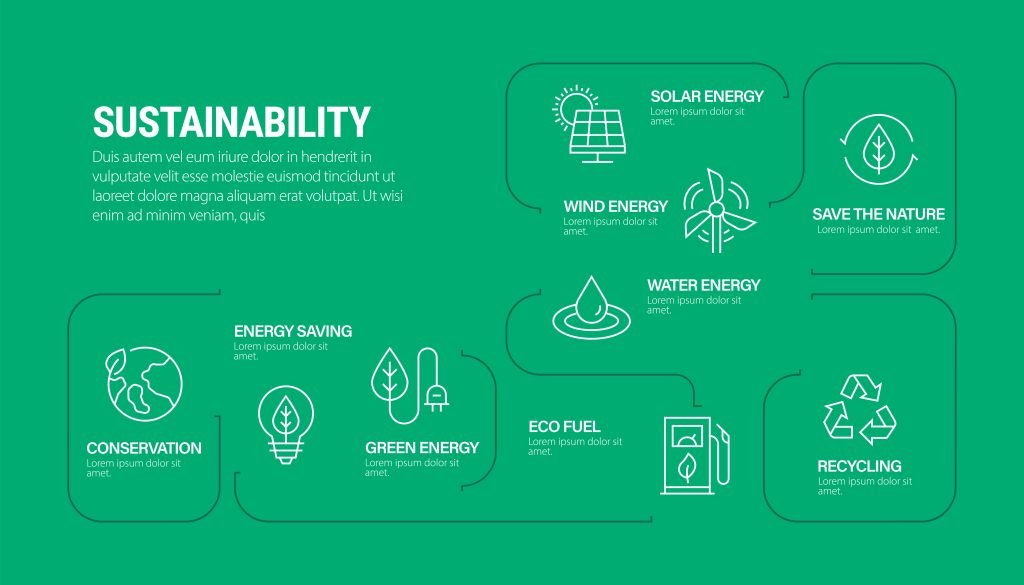
Overcoming The Resistance To Switching To Sustainable Living
Sustainable living seems ideal, but adopting it in homes may pose challenges since it is a lifestyle change; and not merely a switch you can turn on and off.
Reeducation of the prevailing mindset and mindful living are two significant hurdles. Another primary consideration is remaining committed to this lifestyle change. After all, investments like an underground water tank or solar panels recover their initial investment cost months or years after the installation.
Takeaway
Switching to sustainable living is a smart move for modern households. It comes at an opportune time because the technology is now available for harnessing green energy, saving water, and using fuel-friendly cars, appliances, and devices.