Basic first aid skills can make the difference between life and death in an emergency.
There are plenty of valuable resources to teach you how to treat cuts and broken bones and even perform emergency procedures to keep someone alive, like CPR. Yet many people don’t know where to start.
Fortunately, it’s easier to learn about first aid than you think. Just keep reading for our must-know list of basic first-aid skills!
1. Cardiopulmonary Resuscitation (CPR)
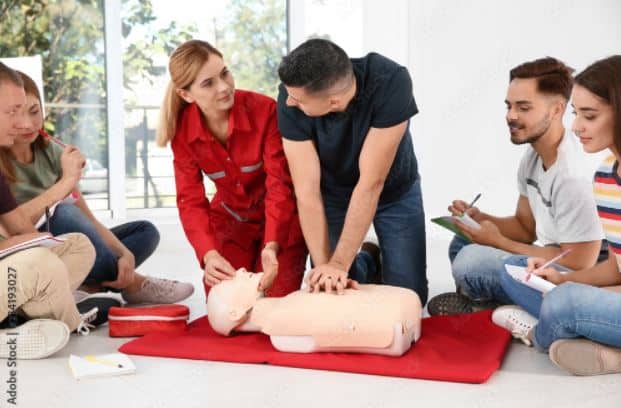
CPR is a lifesaving skill that can revive someone who has stopped breathing or has no heartbeat. The technique involves chest compressions and rescue breathing, which helps to circulate oxygenated blood to the vital organs until medical help arrives.
Learning CPR from a certified instructor is essential to perform the technique correctly. CPR certification courses are available in most communities and can be completed in a few hours, just like this website: https://cprcertificationnow.com/collections/cpr-and-first-aid-certifications.
2. Heimlich Maneuver
The Heimlich Maneuver is used to dislodge an object stuck in the throat blocking the airway. The technique involves standing behind the person, placing a fist below the ribcage and above the navel, and using upward pressure to dislodge the object.
Knowing this skill is essential, especially if you have small children or elderly relatives at a higher risk of choking.
3. Control Bleeding
Knowing how to control bleeding is essential in case of an emergency. Direct pressure is the first step in controlling bleeding.
Apply firm pressure to the wound using a clean cloth or bandage until the bleeding stops. Elevating the affected area above the heart and using a tourniquet are other techniques that can be used to stop bleeding.
Use a tourniquet as a last resort, as it can cause severe damage to the affected area.
4. Treat Burns
Burns are painful and potentially dangerous. Knowing how to treat them correctly is essential to minimize damage and prevent infection.
The first step is to remove the heat source and cool the burn with cold water. If the burn is severe, seek medical attention immediately.
For minor burns, a sterile bandage or dressing should be applied to the affected area to prevent infection. Burns should be treated promptly to minimize the risk of scarring and other complications.
5. Treat Injuries
Sprains, strains, and fractures are common injuries that can occur anytime. Knowing how to treat the pain and swelling can help prevent further damage.
Rest, ice, compression, and elevation (RICE) can treat these injuries until medical help arrives. It’s essential to seek medical attention for more severe injuries or if the pain and swelling don’t improve after a few days.
Save a Life With Basic First Aid Skills
Having at least a basic understanding of basic first aid skills is beneficial. Performing first aid may prevent a minor injury from becoming something more serious.
So why not take the time now to learn more about the basics of first aid to be better prepared? Act now and join a first aid course to get the full hands-on knowledge you need.
We hope you found this article helpful. If you did, check out our blog for more valuable information.