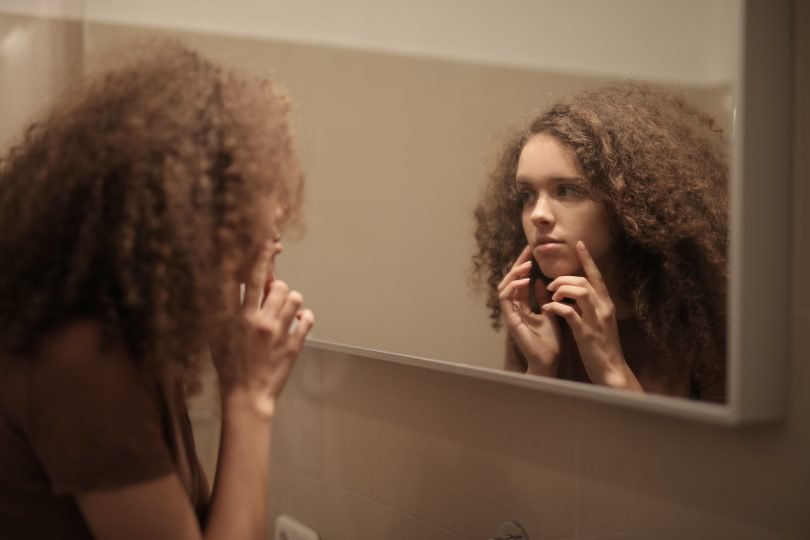
Acne is a widespread skin problem. Despite the fact that acne can manifest on the back and chest, the face is by far the most common location affected, with almost 100% of sufferers experiencing pimples around the hairline, forehead, cheeks, and chin. The disease causes blisters and rashes on the skin, which are often painful or hot to the touch. Many people also have greasy skin as a result of it.
Acne can tell you a lot about your health if it’s on your face in different places – so here’s what those red patches are trying to tell you.
Acne Causes
Hair folicles cover the surface of your skin. They are also known as pores and appear as tiny holes. These hair follicles are linked to the sebaceous gland, a gland that produces an oily substance called sebum. Hair follicles can become clogged if they produce too much sebum; dead skin cells, germs, and oil can also build up in the hair follicles. When they get blocked, they create acne – known as acne recurrence.
Acne Locations
Hairline Acne
Pomade acne develops on and around the hairline because of a build-up of the natural oils, or you have been utilising particular hairstyling products. After using a hair product, excess oils may accumulate in the hairline, as many of them include an oil in their composition. Cosemetics and skincare products can also cause acne in this region when extra sebum accumulates and blocks the pores.
There are various ways to reduce hairline acne, including:
- Covering your hairline with a towel or hairband when applying products like dry shampoos or hairsprays.
- If feasible, use minimal cosmetics around the hairline region.
- Use natural shampoos and hair treatments that don’t contain chemicals (or ones without any allergens or oil-based formulations).
T-Zone Acne
The T-zone, which includes the nose and forehead, is a common site for acne to develop in many individuals. The sebaceous glands in this region produce an excess of sebum, which causes acne. Those who have oily or dry skin, on the other hand, are more prone to get pimples in the T-zone owing to lack of sleep and tension.
Reduce T-zone acne by:
- If you have oily skin, use mild cleansers with mild natural ingredients. Specific products have been developed specifically for those with oily skin available from the Express Pharmacy.
- Make a point of following good sleep and hygiene habits.
- Reduce your stress as much as possible – Various techniques can help you, like meditation or yoga exercises.
Cheek Acne
Repeated friction or rubbing of the skin in this region is a typical cause of acne on the cheeks. Our hands and fingers may accumulate numerous germs throughout the day, and repeatedly touching or rubbing the skin on our cheeks will transfer these germs to our faces and trigger acne. Bacteria on our phones can also transfer to our cheeks as we use them throughout the day, thanks to their open design.